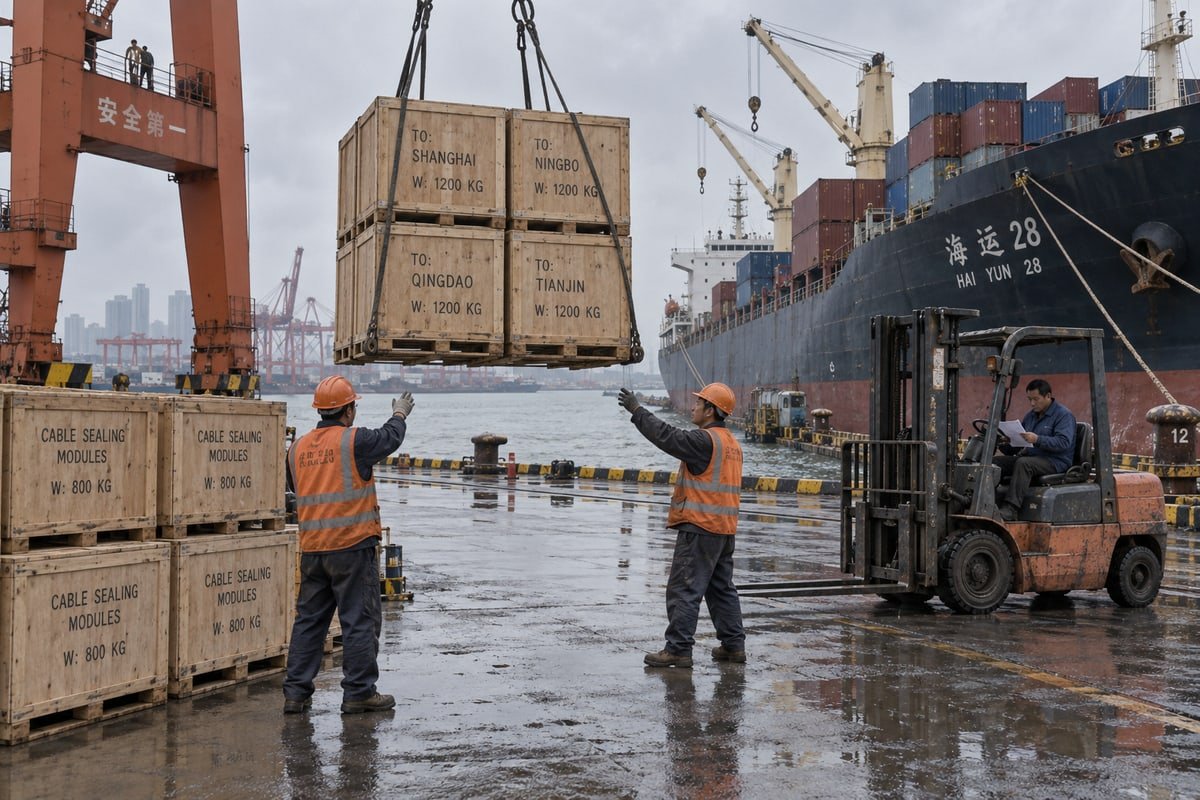
When we started exporting multi cable transit frames to European e-house builders, one question kept stalling deals: DDP vs FOB IATF 16949 1. Choose wrong, and one module delays the whole commissioning date.
For inexperienced E-House OEM buyers importing multi cable transit, DDP is usually better. The seller handles freight, import clearance, duties, and VAT, giving one predictable landed cost. FOB only wins when the buyer already has a trusted freight forwarder and customs broker.
That is the short answer. The longer answer depends on your team, your destination country, and how tight your assembly schedule is. Below, I walk through the real differences, the costs that hide behind a cheap FOB quote, and where DDP can still go wrong.
How do DDP and FOB actually differ when I'm sourcing Multi Cable Transit systems from overseas?
A switchgear builder in the Netherlands once asked us to quote the same TSC module set both ways. The FOB number looked cheaper on paper. Then his forwarder's invoice arrived.
Under FOB, the seller's duty ends when multi cable transit crates are loaded on the vessel; the buyer pays ocean freight, insurance, import duties, and delivery. Under DDP, the seller carries every cost and risk until the goods reach the buyer's named e-house site.
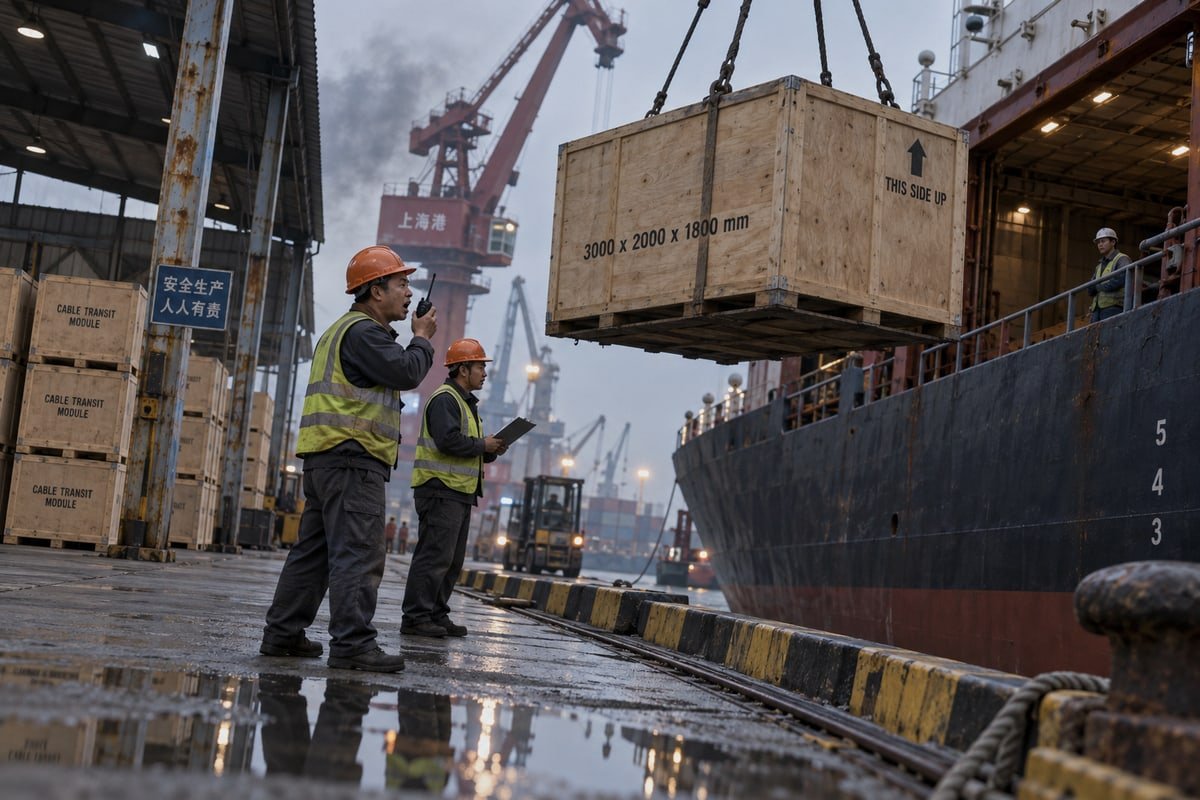
The fastest way to see the difference is a side-by-side view. This is the split we explain to every new buyer before we issue a proforma invoice.
| Responsibility | FOB (Free On Board) | DDP (Delivered Duty Paid) |
|---|---|---|
| Export packing and export clearance | Seller | Seller |
| Loading onto the vessel at origin port | Seller | Seller |
| Ocean freight | Buyer | Seller |
| Shipping insurance coverage | Buyer decides | Seller decides in practice |
| Import clearance 2 and brokerage | Buyer | Seller |
| Import duties and VAT | Buyer | Seller |
| Trucking to the e-house yard | Buyer | Seller |
| Unloading at the yard | Buyer | Buyer, unless DPU is agreed |
| Point of transfer of risk | On board the vessel at origin | At the named destination place |
| Allowed transport modes | Sea and inland waterway only | Any mode |
Incoterms 2020 rules still govern DDP vs FOB in 2026
Many buyers search for "Incoterms 2026" and assume something changed. Nothing did. The Incoterms 2020 rules 3 published by the ICC are the current official set, and every contract we sign in 2026 still references them. If a supplier tells you a newer edition exists, ask for the document. There is none.
Why the transport mode limit matters for MCT crates
FOB is a maritime term. It only fits sea and inland waterway transport. Our cable transit frames and sealing modules normally leave China in wooden crates by sea, so FOB is technically valid. But when an EPC team needs urgent spare modules by air, FOB is the wrong term. FCA is the correct choice for air freight. DDP has no such restriction, which is one reason it suits mixed-mode project cargo.
Where CIF and DAP sit between the two
Buyers often ask about a CIF vs DAP comparison as a middle path. CIF adds freight and minimum insurance to the FOB price, but import clearance stays with you. DAP brings goods to your named place, yet import duties and VAT remain your bill. Both narrow the gap, but neither removes the customs burden that trips up first-time importers. That is why the practical debate for beginners keeps coming back to DDP vs FOB.
Early in our export history, we shipped a TSR order FOB Qingdao and assumed the buyer knew the destination port fees. He did not, and storage charges grew daily.
First-time FOB buyers face hidden costs after the vessel departs: destination terminal handling, customs clearance fees, brokerage, HS code disputes, import duties and VAT, demurrage, and last-mile trucking. They also carry the transfer of risk from loading onward, so uninsured transit damage becomes their loss.
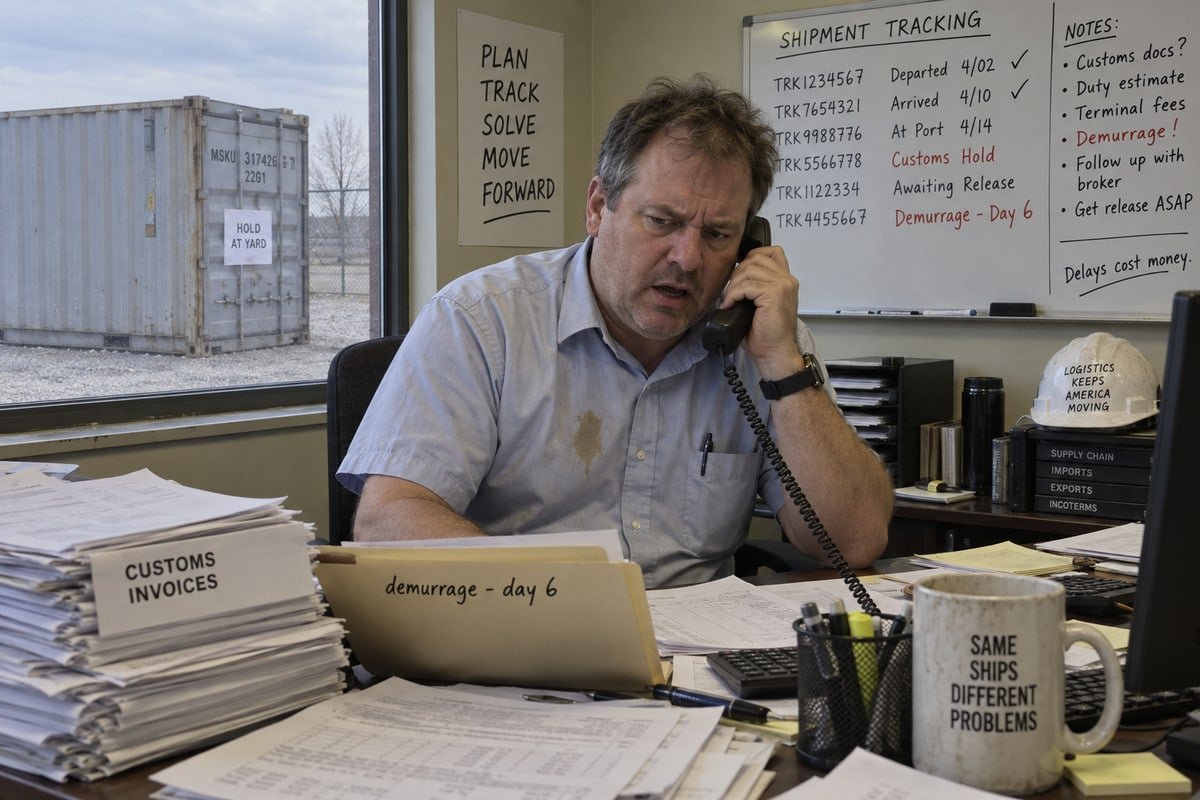
The FOB price on a quotation is not a landed cost. It is a factory-gate price plus the cost of getting a crate over the ship's rail. Everything after that is your problem. Here is the sequence of charges that surprise new importers, in the order they usually appear.
- Ocean freight, quoted by your forwarder, often with fuel and peak-season surcharges added later.
- Destination terminal handling charges, billed by the port operator.
- Customs brokerage fees for filing the import declaration.
- Import duties, calculated on your declared HS code and customs value.
- Import VAT, usually charged on goods value plus freight plus duty.
- Demurrage and detention if clearance stalls and the container sits.
- Inland trucking to the e-house yard, plus unloading if you have no equipment.
Freight forwarder responsibilities you now own
Under FOB, you appoint the forwarder. That means you confirm the booking, chase the bill of lading, and answer when the vessel is rolled to the next sailing. Our export desk still sends the packing list, commercial invoice, and test certificates, but we cannot control your forwarder's timing. Good supply chain management on your side becomes mandatory, not optional.
Shipping insurance coverage and the transfer of risk
Risk passes to you the moment the crate is on board at the origin port. If a container is dropped during transshipment, the loss is yours. FOB does not require either party to insure. Many first-time buyers only learn this after a claim is refused. If you choose FOB, buy cargo insurance yourself and confirm the cover starts at loading.
The HS code problem specific to cable sealing modules
Multi cable transit modules are not a simple commodity. They combine a galvanized steel frame, EPDM rubber sealing blocks, and compression hardware. Customs officers may classify them under rubber articles, steel structures, or electrical fittings, and each carries a different duty rate. Under FOB, you argue that case with your broker. If you cannot document the product, clearance stalls and the e-house assembly line waits.
| Hidden FOB cost | Who bills it | Why beginners miss it |
|---|---|---|
| Terminal handling | Port operator via forwarder | Not shown on supplier quote |
| Brokerage fee | Customs broker | Assumed to be part of freight |
| Duty on wrong HS code | Customs authority | Classification of sealing modules is unclear |
| Import VAT | Customs authority | Calculated on freight and duty too |
| Demurrage | Shipping line | Triggered by slow clearance |
Will DDP really save me time and reduce customs headaches when importing MCT modules?
Our documentation desk in Shaanxi prepares fire-test certificates and packing lists 4 for every DDP shipment before the crate is sealed. That routine exists because customs officers ask hard questions.
Yes, DDP usually saves time for inexperienced buyers because the seller manages import clearance, HS classification, and duty payment. But it only works when the seller can act as importer of record and knows local rules. Ask for a cost breakdown and a compliance handover clause.
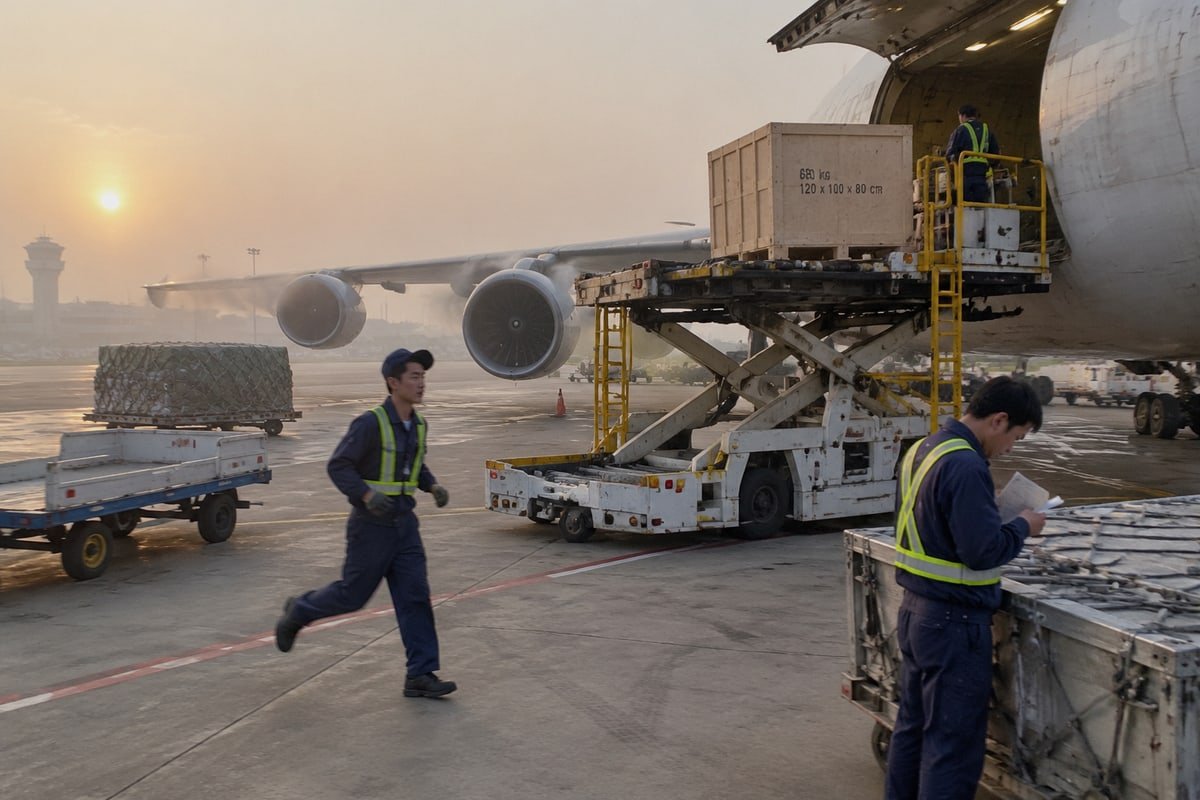
DDP places the heaviest burden on the seller of any Incoterm. That is good news for a buyer without an import team. But skeptical sourcing managers raise three objections, and each deserves a straight answer.
Objection one: DDP hides a convenience markup
This is true, and you should expect it. A seller pricing DDP must cover freight volatility, brokerage, VAT handling, and delivery risk. Some suppliers pad that heavily. The fix is simple. Request a line-item breakdown that separates product price, freight, insurance, duties, and local charges. A reasonable premium for the coordination work should not exceed 15 to 20 percent of the actual freight value. If the buffer is larger than that, negotiate or ask why.
Objection two: the seller may not be able to clear my customs
Also true. DDP is only as reliable as the seller's ability to act as importer of record in your country. A supplier who has never shipped to your market may misclassify the goods or lack a local tax registration. Before you accept DDP, ask which broker the seller uses at your destination and how many shipments they have cleared there. Our export team has repeated this process across Europe, Asia-Pacific, and the Middle East, and we still verify local requirements for each new destination country because international trade regulations change.
Objection three: DDP does not include unloading
Correct. DDP delivers the goods ready for unloading, not unloaded. A full cable transit frame set with stacked sealing modules can arrive on pallets that need a forklift. If your e-house yard lacks lifting equipment, negotiate DPU instead. Under DPU the seller unloads at the named place, though import duties and VAT shift back to you.
Add a regulatory compliance handover clause
MCT is inspected hardware. Local fire inspectors may ask for A-0 or A-60 fire-rating certificates, IP68 ingress test reports, and pressure-test records for watertight sealing in the 0.01 to 0.4 MPa range. A DDP contract should state that the seller delivers these documents with the goods. We include them as standard, but write it into the contract regardless of supplier.
| DDP contract checklist | Why it matters |
|---|---|
| Line-item cost breakdown | Exposes the convenience markup |
| Named destination customs broker | Confirms importer-of-record capability |
| Agreed HS code | Prevents duty disputes on cable sealing solutions |
| DPU option if no forklift on site | Covers unloading of heavy frames |
| Regulatory compliance handover clause | Puts fire and IP test documents in scope |
| Delivery date tied to assembly schedule | Protects the critical path |
Which Incoterm should I choose to keep my project timeline and total landed cost predictable?
Every quote we issue for a BESS project forces a trade-off: a lower FOB figure with open-ended downstream costs, or a higher DDP figure we must defend line by line.
Choose DDP if you lack a customs broker, a freight forwarder, and a confirmed HS code for cable sealing modules. Choose FOB only when your team already runs sea imports, holds shipping insurance, and can absorb clearance delays without hurting the e-house commissioning date.
The choice is less about Incoterm theory and more about matching the term to your team's capability. I use a simple matrix with new buyers.
| Buyer profile | Recommended term | Reason |
|---|---|---|
| First import, no broker, no forwarder | DDP | One landed cost, one point of contact |
| First import, no forklift at yard | DPU | Seller unloads; buyer handles duties |
| Some experience, own forwarder, no broker | DAP | Buyer controls freight, seller delivers, buyer clears |
| Experienced import desk, trusted broker, agreed HS code | FOB | Lowest product price, full control of freight and insurance |
| Urgent spare modules by air | FCA or DDP | FOB is not valid for air transport |
Why MCT sits on the critical path
Multi cable transit is installed after the e-house shell is ready and before cable pulling begins. If the frames and modules are late, cable routing stops, testing shifts, and commissioning slips. A commodity fastener can be replaced locally. A fire-rated sealing module that must match an existing 120-frame cutout cannot. That is why modular building logistics for e-houses treat MCT as project cargo, not as a stock item. The Incoterm you choose decides who owns that schedule risk.
Run a landed cost analysis before you decide
Do not compare an FOB price against a DDP price directly. Build both to the same endpoint. Take the FOB price, then add estimated freight, insurance, terminal handling, brokerage, duty at your best-guess HS code, VAT, and trucking. Then compare that figure to the DDP quote with its breakdown. In our experience, the gap between the two is often smaller than the FOB quote suggests. The real difference is who carries the uncertainty.
What a reliable seller should provide either way
Whichever term you pick, a serious supplier should reduce your workload. Our factory ships with a full export document set, cross-reference tables that map your existing module codes to our TSR and TSC equivalents, and free validation samples so your engineers can confirm fit in an existing frame before the main order. Under ISO 9001 5 and IATF 16949 systems, and with BV factory approval, the certificates that customs and inspectors ask for already exist. Under DDP we present them to the broker. Under FOB we hand them to you. The paperwork is the same. The person holding it is different.
Conclusion
Getting the Incoterm wrong turns a sealing module into a project delay. For most first-time e-house importers, DDP with a clear cost breakdown is the safer path; FOB rewards experience.
Footnotes
1. Official site for the global automotive quality management system standard for manufacturing processes. ↩︎
2. Authoritative European Commission resource on customs procedures and import formalities for international trade. ↩︎
3. Official ICC page for the global trade standards governing DDP and FOB responsibilities. ↩︎
4. Replaced 404 with a live authoritative guide on export documentation from trade.gov. ↩︎
5. Official ISO page for the quality management standard ensuring consistent product and service quality. ↩︎


 English
  Español de México
  Deutsch
  Français
  العربية
  Русский