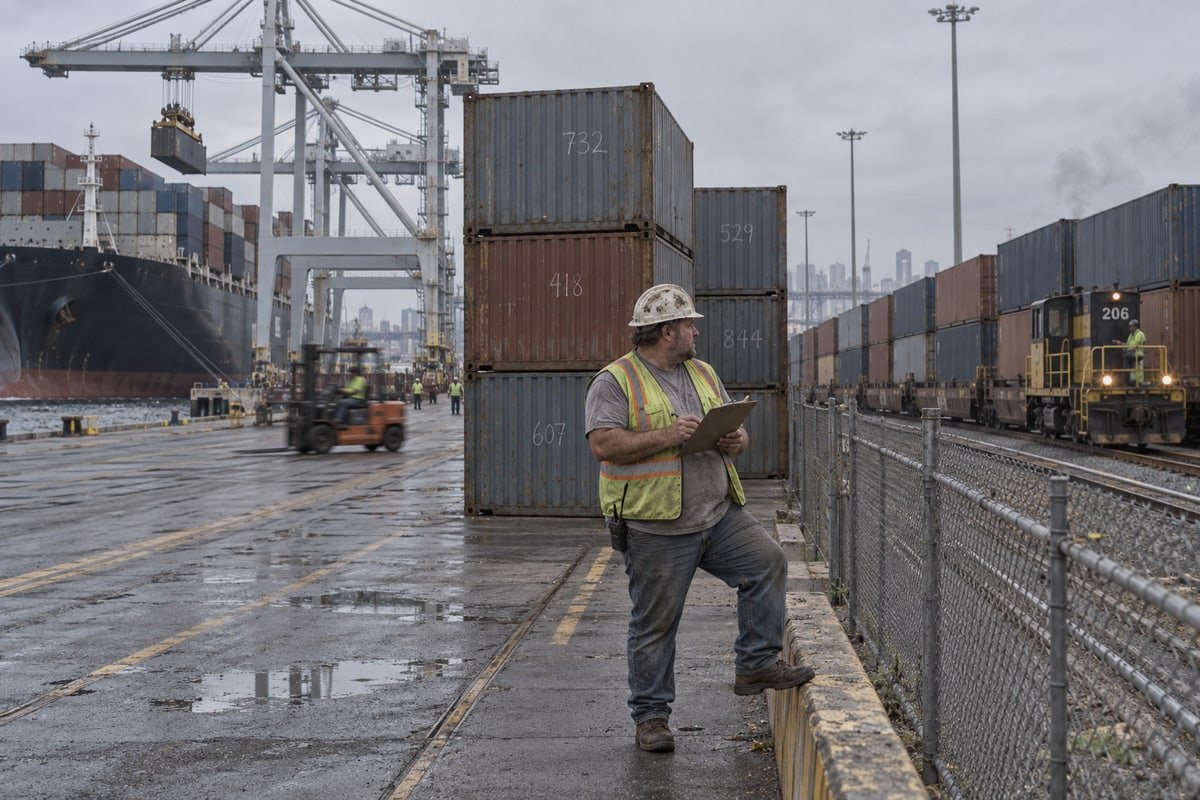
Buyers of our MCT modules keep asking the same thing: why did the container reach Chicago late? The [ocean vs sea-rail](https://dewinmct.com/?p=803) choice from China to US inland decides that.
Ocean vs sea-rail from China to US inland is a landed-cost trade: ocean-only is cheapest and slowest, while sea-rail via West Coast ports adds roughly $2,000–$4,500 per container but cuts inland delivery by 10–15 days compared with All-Water routes. Pick by margin, urgency, and destination.
The rest of this article breaks the decision into four questions. I cover real cost math, lead-time predictability, mixed routing, and the paperwork that changes between the two modes. I use our own cable sealing shipments as the worked example throughout.
How do I calculate the real cost difference between ocean and sea-rail shipping from China to US inland destinations?
The trade-off I weigh most often pits a rail surcharge against two weeks of idle inventory in a BESS integrator's yard. The headline freight rate never settles it.
Calculate landed cost, not freight rate: add ocean FCL (about $1,650–$2,300 Shanghai–Los Angeles), rail add-on ($2,500–$4,500 to Chicago), drayage, terminal and storage fees, and last-mile trucking, then price the inventory days each route saves.

A freight quote is one line. Landed cost is six or seven lines. When I compare ocean vs sea-rail for a 40-foot container of TSC sealing modules and frames, I build the whole stack before I look at the total.
The landed cost line items
| Cost line | Ocean-only to West Coast + truck | Sea-rail (MLB) to inland ramp | Notes |
|---|---|---|---|
| Ocean FCL, Shanghai–Port of Los Angeles | $1,650–$2,300 (40 ft, lower-end 2026 benchmark) | Same ocean leg | Wider 2026 range is $3,500–$8,000 for a 40 ft |
| Inland move | Long-haul trucking, coast to Chicago | Rail add-on $2,500–$4,500 to Chicago; $2,000–$3,800 to Dallas | Rail can save 35–50% versus trucking on some lanes |
| Drayage services | Port to trucker yard | Port to rail, then ramp to warehouse | Rail needs two drayage legs, not one |
| Terminal and PierPass fees | Yes | Yes | Same port, same fees |
| Storage and demurrage risk | Moderate | Higher if the ramp dwell runs long | Budget for it; do not hope |
| Last-mile delivery costs | Included in the truck rate | Separate accessorial from ramp | Most common source of surprise charges |
The rail line looks expensive on its own. But compare it with the alternative for the same destination. Trucking a container from the coast to the Midwest is the cost sea-rail replaces, and rail wins that fight by 35–50% on many routes. So sea-rail is not "ocean plus a premium". It is "ocean plus the cheaper inland option".
The two cost traps I see
First, last-mile delivery costs from the inland rail ramp 1 are small in distance and large in accessorials. Chassis splits, waiting time, and re-delivery fees pile up there. Second, freight rate volatility on the West Coast is real in 2026. C.H. Robinson has flagged limited room to reset pricing ahead of peak season, with modest year-over-year increases in most regions. Intermodal volumes also rose about 10% year over year in May as shippers looked for relief from fuel and capacity costs. More demand on rail means less slack in rail pricing.
Transloading as a third cost lever
Some buyers use transloading facilities at the port. They move cargo from three 40-foot ocean containers into two 53-foot domestic trailers. That cuts the inland line-haul count by a third. It adds a day or two of handling. For our modules, which pack densely, this math often works. For long cable transit frames, it depends on trailer length.
The final step is to price inventory days. If our drop-in modules cost 40–60% less than the incumbent brand, the buyer's carrying cost per day is already lower. That makes a slower ocean route easier to accept on the cost side. The question then shifts to the deadline.
Which shipping method gives me more predictable lead times for time-sensitive MCT and cable sealing component orders?
Last year our QC team held a TSC batch two days for a compression re-test, and the buyer's rail slot vanished. Lead time starts at the factory gate.
Sea-rail via Mini Land Bridge gives the more predictable inland lead time for MCT orders: roughly 17–24 days door-to-ramp to Chicago, 10–15 days faster than All-Water routes through Panama, provided Los Angeles/Long Beach congestion and labor stay stable.
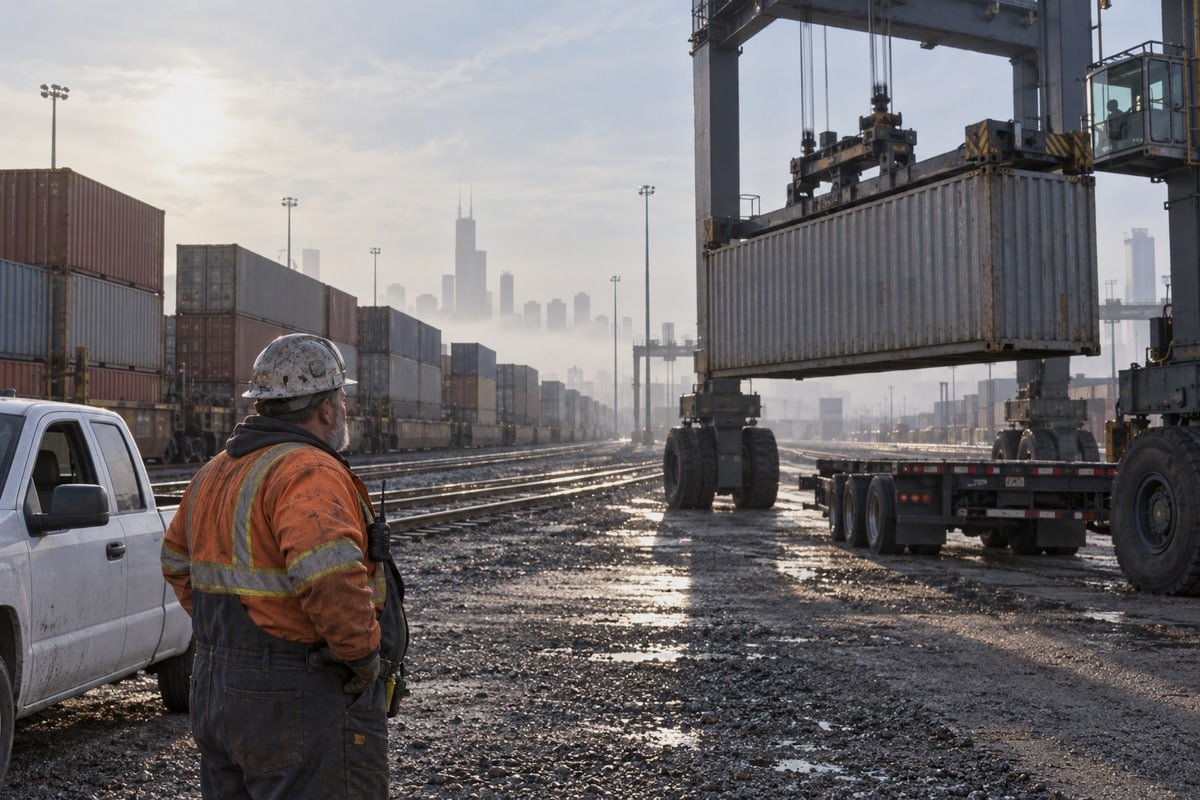
Supply chain lead time has three parts for any China-to-US inland move. The ocean leg, the port handling, and the inland move. Most delays hide in the second and third parts. So I never quote a buyer a port-to-port number when they need a door-to-door date.
Port-to-port versus door-to-door
| Route | Port-to-port | Door-to-door or door-to-ramp | Main variance driver |
|---|---|---|---|
| Ocean-only, Shanghai to Los Angeles | 13–18 days | 14–18 days to port; add trucking to inland | Transpacific weather, port dwell |
| Sea-rail (MLB) to Chicago | 13–18 days ocean | 17–24 days door-to-ramp; 20–33 days door-to-door | Rail ramp congestion, drayage |
| Sea-rail (MLB) to Dallas | 13–18 days ocean | 21–34 days door-to-door | Same, plus Texas ramp capacity |
| All-Water via Panama to East Coast or Gulf | 30+ days typical | 10–15 days longer than MLB | Canal delays, longer sailing |
The table shows something important. Sea-rail is not faster than the ocean leg itself. It is faster than the inland alternatives. Against All-Water routes to the East Coast, MLB through West Coast ports saves 10–15 days to inland hubs like Chicago. Against ocean-only plus trucking, it is roughly even on days but usually more stable on schedule.
Where the variance comes from
Transpacific freight routes had real disruption in 2026. Typhoons shut operations at Shanghai and Ningbo for significant cumulative hours. That hits both modes equally. The difference appears after discharge. Port congestion and labor stability at Los Angeles and Long Beach 2 are the main variables that can erase the sea-rail advantage. When the port is fluid, sea-rail is predictable. When it is not, All-Water routes can look more reliable even though they are slower.
Two tools help here. Dynamic routing software now lets a shipper pivot between MLB and All-Water mid-voyage based on live port dwell data. And the Mexico backdoor via Lazaro Cardenas, with rail into the US Midwest, is an emerging hedge against West Coast port volatility and PierPass fees. Neither replaces good planning. Both reduce the size of a bad surprise.
What we do on our side
For time-sensitive orders of TSR round seals or spare modules, we lock the QC schedule to the booking. Our BV-approved factory runs ISO 9001 3 and IATF 16949 systems, so test records for IP68 and A-60 batches are ready before the container closes. That removes factory-side days from the equation. Inland port logistics then decide the rest.
Can I mix ocean and sea-rail shipping to balance cost savings with delivery deadlines for my project?
A modular data center builder in Texas once asked me to split one order: TSR rounds by rail to Dallas, stay plates and spares by All-Water to Houston. It worked.
Yes. A bifurcated inventory strategy sends high-velocity, deadline-critical items by sea-rail to a West Coast ramp and slow-moving safety stock by All-Water to East Coast or Gulf DCs. Split by SKU velocity, not by container, and align both legs to one installation date.
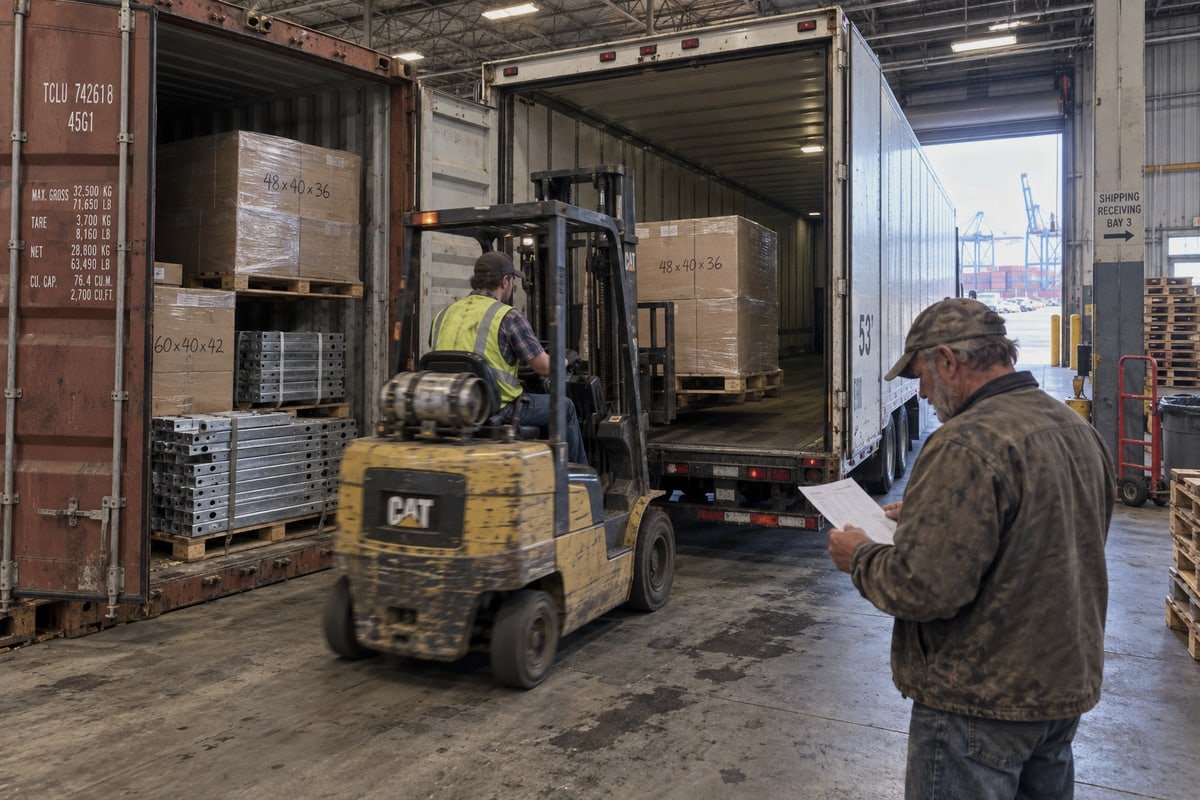
Mixing modes is common practice for large integrators. It is less common for mid-size EPC procurement teams because it feels complex. In my experience it is a simple four-step process once you classify the cargo.
A four-step split
- Sort the bill of materials by installation sequence. Frames and compression units go in first on a BESS container or switchgear panel. Sealing modules and spare blocks go in last. The first group has the hard deadline.
- Sort by volume. Small LCL loads usually stay with ocean LCL. Intermodal transportation only pays off once the shipment crosses into FCL territory, because rail pricing is per container.
- Assign the mode. Deadline-critical FCL goes sea-rail to the nearest inland ramp. Non-urgent FCL goes All-Water to the coast closest to the final site.
- Set one arrival window. Both legs must land before the installation date, with the slow leg carrying the buffer.
Which of our products go where
| Product group | Typical urgency | Suggested mode | Reason |
|---|---|---|---|
| Cable transit frames, TSC square modules | High, first to install | Sea-rail (MLB) to Chicago or Dallas | Shortest inland lead time |
| Compression units, stay plates | High, needed with frames | Same container as frames | Avoid split-shipment risk |
| Spare sealing modules, step-core EPDM blocks | Low, safety stock | All-Water to East Coast or Gulf DC | Lowest freight base |
| Custom-mold private-label parts | Depends on project | Match the parent order | Keep documentation aligned |
There is one more factor buyers in Europe raise with me more each year, and US buyers are starting to as well. All-Water routes on ultra-large container vessels carry a much lower carbon footprint per TEU than sea-rail. For firms with strict ESG reporting, that can decide the mode for anything that is not urgent.
Objections I hear, and how I answer them
"It is simpler to ship everything direct ocean and truck it." True for a single container to a coastal site. For a Midwest DC receiving several containers, the ocean vs sea-rail split usually saves both money and days. "Rail is exposed to congestion too." Also true. That is why the safety stock rides All-Water, so one delayed rail ramp never stops a build. Our factory can ship the two legs from the same production lot, with the same test documents, so the buyer qualifies one supplier once and still gets two delivery paths.
What documentation and customs steps should I prepare differently for ocean versus sea-rail shipments from a Chinese manufacturer?
One lesson cost us a week at a rail ramp: an IPI through-bill with the wrong ramp code. Since then our export team checks the inland destination twice.
Ocean-only needs a port-to-port bill of lading, ISF filing, and a separate inland trucking contract after customs clearance at the port. Sea-rail under IPI uses one through bill of lading to the inland ramp, so the ISF, commercial invoice, and packing list must name that ramp correctly.

The physical goods do not change between the two modes. The paper trail does. Our export documentation team handles this for every shipment, and the differences below are the ones that matter most.
Ocean-only versus sea-rail paperwork
| Document or step | Ocean-only to port | Sea-rail (IPI through-rate) |
|---|---|---|
| Bill of lading 4 | Port-to-port, destination is the US port | Through bill, destination is the inland ramp (e.g., Chicago) |
| ISF (10+2) filing | Consignee and port of unlading | Same, but final destination must match the ramp |
| Customs entry location | At the US port | At the inland ramp under in-bond movement, or at the port |
| Inland move | Separate trucking contract booked by importer or broker | Included in the through-rate; rail carrier chosen by the ocean line |
| Delivery order | Issued at port | Issued at ramp; drayage services booked from ramp |
| Control over carrier | Full control of trucker | Less control over the specific railroad |
IPI vs RIPI
Interior Point Intermodal (IPI) means the ocean carrier moves the container by rail from the West Coast to the inland ramp under one bill. Reversed IPI (RIPI) means the container sails All-Water to an East Coast port and then rails inland, often westward. The IPI vs RIPI choice follows the routing decision from the earlier sections. IPI pairs with MLB speed. RIPI pairs with All-Water cost and lower emissions. The document set is the same shape for both; only the port of unlading and the ramp change.
What we prepare at the factory
Our shipping documents include the commercial invoice 5, packing list with module counts per carton, and the certificate of origin. For sealing products, buyers often need the test documents at customs review or at receiving inspection. So we attach fire rating A-0/A-60 certificates, IP68 ingress test records, and pressure test sheets covering 0.01–0.4 MPa watertight and gas-tight performance. We also state that the EPDM is halogen-free, which some importers require for fire-safety declarations on data center and marine projects.
Two practical tips. First, for IPI, tell your forwarder the exact ramp before booking. A wrong ramp code means re-billing and dwell fees. Second, for ocean-only, book the trucker before the vessel arrives. Waiting until the container discharges at the Port of Los Angeles is how demurrage starts. We supply CAD/STEP files and cross-reference tables alongside the documents, so the receiving engineer can verify the drop-in fit the same day the container opens.
Conclusion
Late containers stall BESS and data center builds. Ocean wins on cost, sea-rail on inland speed. Choose by margin, deadline, and destination, and we ship with documents ready.
Footnotes
1. Overview of intermodal terminals and rail ramps used for transferring containers between ship and rail. ↩︎
2. Official site for the Port of Los Angeles, a key hub for transpacific shipping routes. ↩︎
3. Official ISO page for the quality management standard mentioned in the factory’s compliance section. ↩︎
4. Comprehensive overview of the legal document required for international maritime and intermodal shipping. ↩︎
5. Official US government guide on the requirements for a commercial invoice in international trade. ↩︎



 English
  Español de México
  Deutsch
  Français
  العربية
  Русский