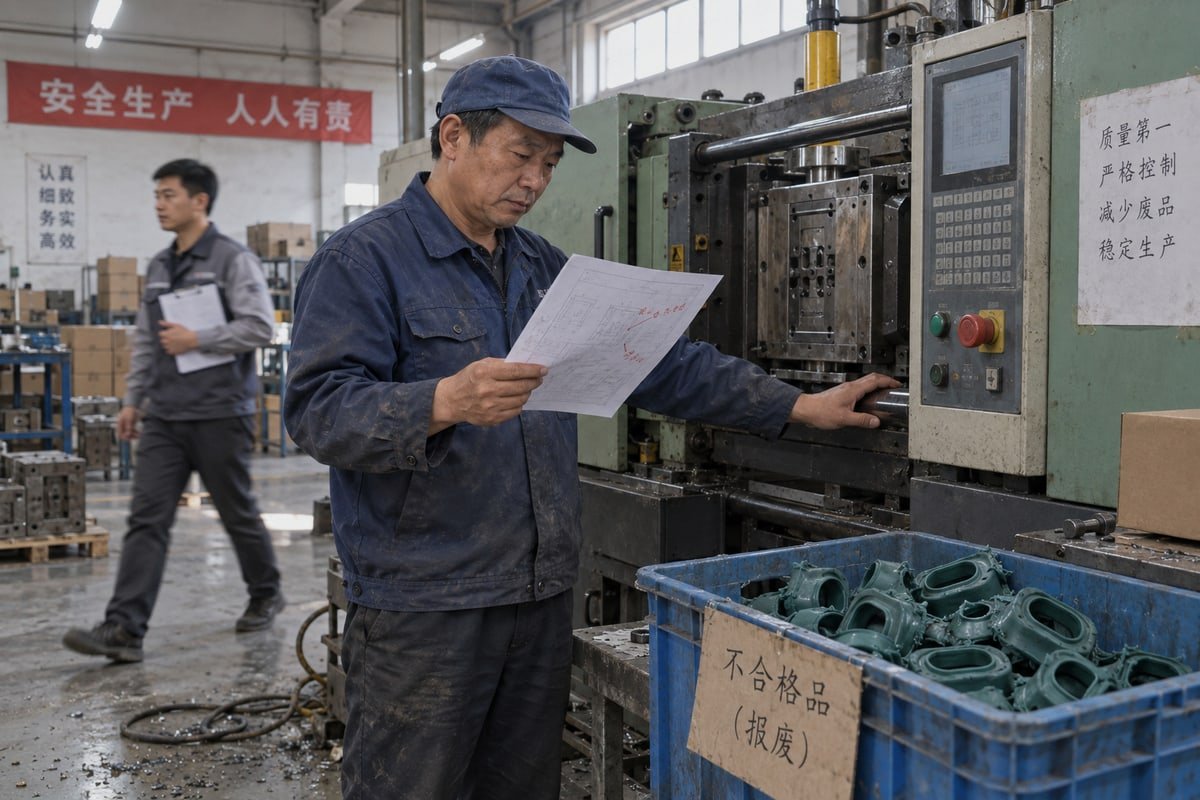
A revised drawing hit our Shaanxi line three days before molding. That email showed me exactly how change orders affect supply chain costs when sourcing multi cable transits from China.
Change orders raise supply chain costs for multi cable transits from China by triggering re-tooling, scrapped EPDM modules, drawing and BOM rework, retesting of fire and IP certifications, and a shift from sea to air freight. Late changes often cost more than the unit price saved, so freeze specs early.
The factory quote is only the starting point. Below, I break down where the real money goes, how a drop-in compatible supplier removes the biggest trigger, what a change does to a molding schedule, and which validation steps stop the problem before it starts.
What Causes Change Orders to Drive Up Costs When Sourcing MCTs From China?
Every week our sales engineers weigh the same trade-off: accept a buyer's mid-order tweak and keep goodwill, or flag the hidden cost before it reaches the line.
Change orders drive up MCT sourcing costs because a spec change after approval forces new tooling, scraps finished frames or rubber modules, restarts drawing and BOM checks, invalidates type approvals, and delays shipment. Each delay then adds air freight, storage, and working-capital costs on top of the factory price.
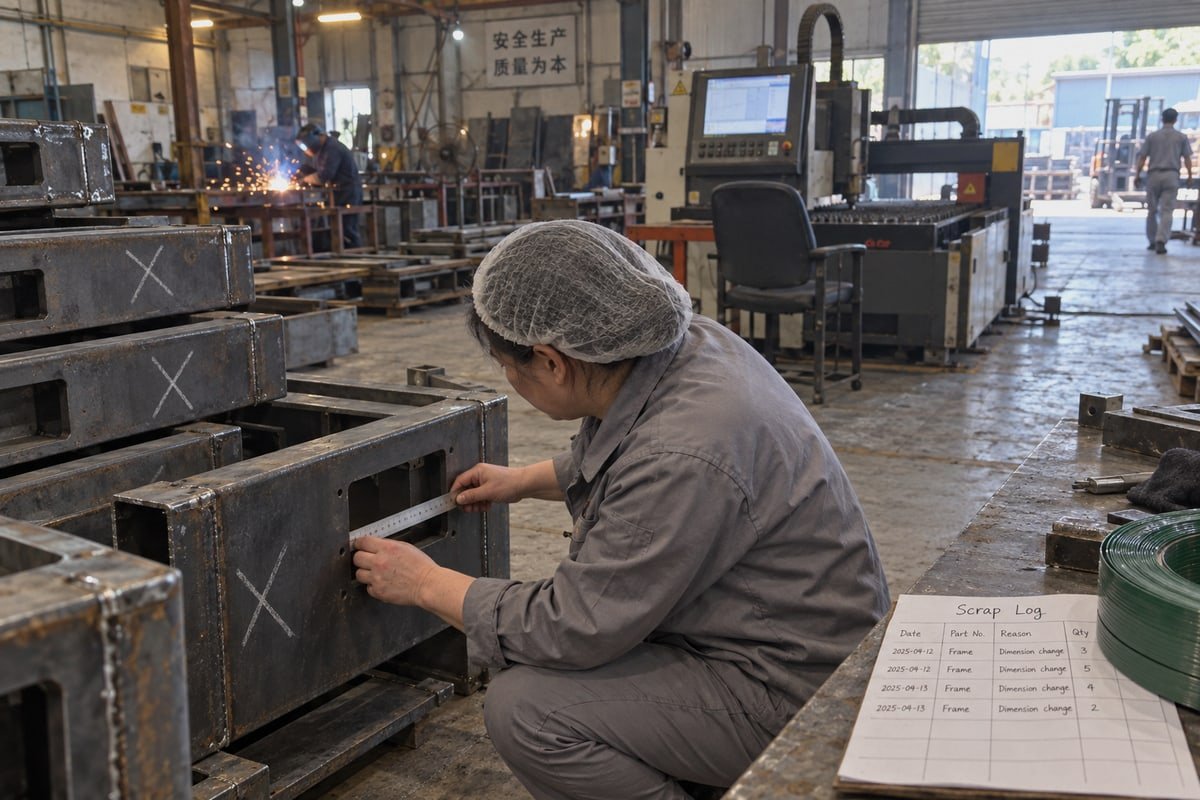
A change order is any approved revision to scope, drawings, materials, packing, or documents after the purchase order is confirmed. In cable sealing systems, even a small revision has a long tail. The reason is simple. An MCT is a stack of interlocking parts: a welded frame, a compression unit, stay plates, and modular seal components made from halogen-free EPDM. Change one part and the others often move with it.
Direct costs: where the factory price starts to move
The table below shows the most common change types we see on TSR and TSC orders and what they set off on our floor.
| Change type | What happens at the factory | Direct cost effect |
|---|---|---|
| Frame dimension change | Re-cut steel, re-program CNC, re-weld | New setup cost, material wastage on cut frames |
| Module size or cable range change | Modify or rebuild mold, re-run trial shots | Tooling cost, scrapped EPDM modules |
| Material change (e.g., fire-retardant grade) | Re-order compound from Tier-2 supplier | MOQ penalty on specialty polymer |
| Certification scope change (A-60, IP68, ABS/DNV) | Re-test or re-document | Third-party inspection fees |
| Packing or labelling change | Re-pack, re-print, re-count | Labor, carton cost, lower container fill |
Work-in-process is the hidden killer here. If a buyer changes the hole pattern after ten frames are welded, those frames become scrap. Weak PO wording pushes that sunk cost back to the buyer as a revised unit price.
Indirect costs: the below-the-line money
The indirect costs are usually larger than the visible price change. A delay ties up cash in inventory carrying costs 1 and raises obsolescence risk if the original spec becomes dead stock. It also creates a bullwhip effect. When we reorder a small quantity of a special compound, our Tier-2 supplier enforces its own MOQ, and that cost has to land somewhere. Even Chinese export VAT rebate filings get complicated when the contract value shifts mid-order, so some factories price that admin risk in as a premium.
Sourcing agents add another layer. Their commissions are commonly quoted at 3%–10% of FOB value, and a change order increases their coordination, sampling, and inspection work even when the factory price stays flat.
Some factories argue that strict change control 2 slows production and blocks small, useful optimizations. I understand that view, and we do welcome improvements. But the answer is not to skip control. The answer is to log every change, cost it, and approve it in writing, so the optimization is real and not a surprise on the invoice.
How Can I Avoid Costly Change Orders by Choosing a Drop-In Compatible MCT Supplier?
A sourcing manager at a BESS container builder once told me her worst change order came from a frame cutout that simply did not match.
Choosing a drop-in compatible MCT supplier avoids change orders because the modules already match common 120-frame cutouts, so no frame redesign, re-tooling, or new drawings are needed. Cross-reference tables, free validation samples, and CAD/STEP files let you confirm fit before the PO, removing the main trigger for costly revisions.

Most change orders on cable sealing systems come from one root cause: the new supplier's part does not fit the existing installation. The buyer then revises the drawing, the factory re-tools, and the whole chain of costs from the previous section begins. Dimensional compatibility cuts that root cause out.
Why compatibility is a cost control tool, not just a convenience
Our step-core EPDM modules are dimensionally compatible with common 120-frame standards. That means they drop straight into cutouts already on your switchgear panels, modular data center 3 walls, or BESS containers. You do not redesign the frame. You do not re-qualify the installation method. Your bill of materials accuracy stays intact because the frame part number and module count do not change. This is how a qualified second source can deliver 40–60% lower cost without adding a redesign project on your side.
The buyer-protection view says formal change control is essential to stop unapproved substitutions. I agree fully. A drop-in supplier makes that control easier, not harder, because there is far less to change in the first place.
What to ask a second-source MCT supplier before the PO
| Qualification item | What a serious supplier provides | Change-order risk it removes |
|---|---|---|
| Model cross-reference table | Existing model → DEWIN model mapping | Wrong size ordered, redesign after PO |
| Free validation samples | Physical modules to fit in your frame | Field fit failure and rework |
| CAD/STEP files | Native 3D models for your assembly drawings | Drawing revisions mid-order |
| Test documents | A-0/A-60 fire, IP68, 0.01–0.4 MPa sealing reports | Retesting after certification questions |
| Quality system evidence | ISO 9001, IATF 16949, BV-approved factory | Undocumented material substitutions |
I would also check whether the supplier owns its molds. We do our mold making in-house across our Shaanxi, Shandong, and Hunan plants. When a custom size is needed, that keeps the tooling under our control and shortens the procurement cycle time. A trading company has to relay every question to a third party, and that relay is where version drift starts.
How Do Change Orders Impact Lead Times for Custom-Molded Sealing Modules?
Our mold shop taught me one hard lesson: a mold change is measured in weeks, not days, because cores, cavities, and trial shots all get redone.
Change orders extend lead times for custom-molded sealing modules because the mold must be modified or rebuilt, EPDM compound may need reordering, and trial shots and re-inspection must repeat. A 15–25 day production window can slip by weeks, missing the vessel booking and pushing the 30–80 day delivery cycle longer.
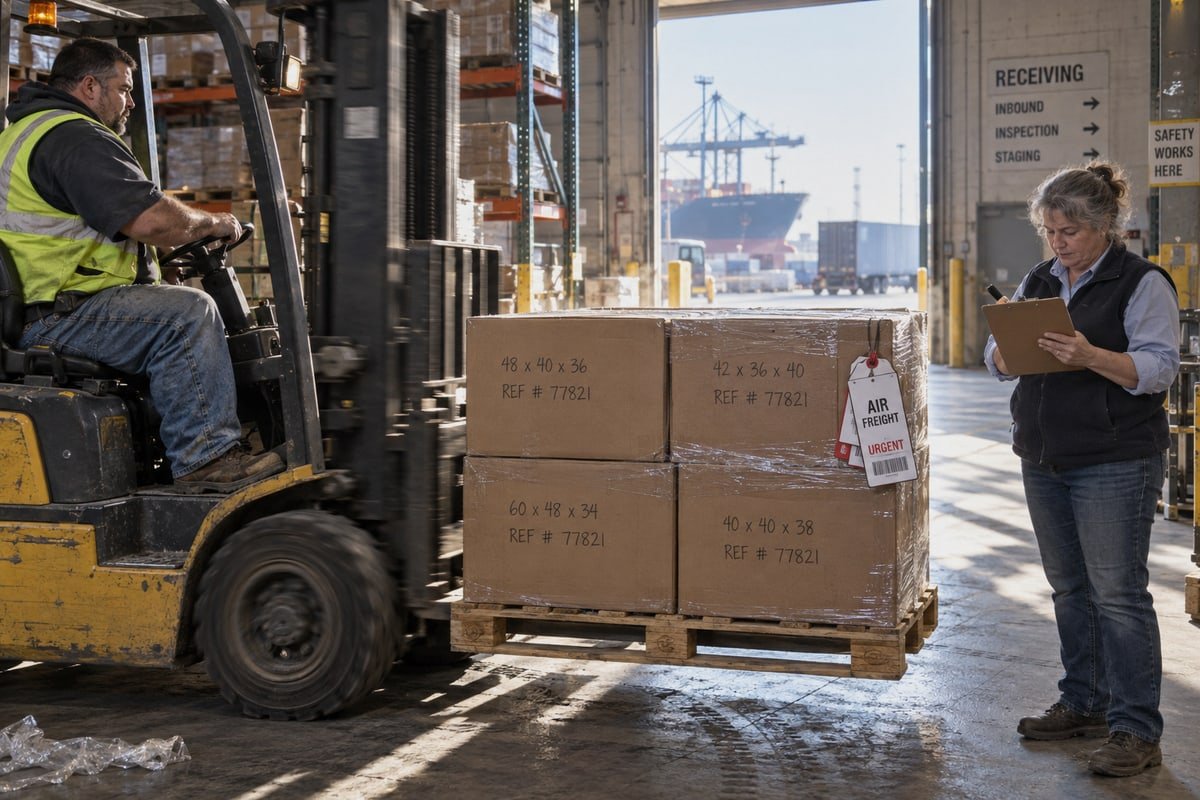
Lead time variability is where change orders do the most silent damage. The unit price may barely move. The calendar moves a lot. Here is the sequence I watch unfold when a revision arrives after production has been released.
- Production stops on that item. Other orders take the press time.
- Engineering revises the drawing and updates the BOM. Every downstream document has to be re-verified.
- The mold is modified or a new insert is machined. In-house mold making helps, but it still takes machine hours and trial shots.
- If the compound changes, we reorder from the Tier-2 supplier. Specialty fire-retardant polymers carry MOQs, and delivery adds days.
- First-article inspection repeats. If firestop certification standards or IP68 performance could be affected, we re-test.
- The original vessel booking is lost. The next sailing may be a week or more away.
Timing matters more than the size of the change
The table below compares the same change made at two points in the order.
| Stage of order | Change effect on schedule | Typical cost outcome |
|---|---|---|
| Before tooling release | Drawing update only, no scrap | Often neutral, sometimes lowers cost |
| During molding or welding | Production halt, WIP scrap, mold rework | Material wastage plus setup cost |
| After final inspection | Full re-run, re-inspection, new booking | Highest cost, expedited shipping fees likely |
This is why I push back on the idea that all changes are bad. The pragmatic view is right: an early change that improves manufacturability, simplifies packing, or cuts module count can lower total cost. We often suggest these ourselves during sample review. The problem is not the change. The problem is the timing.
The freight penalty that follows every delay
Once the schedule slips, buyers face a choice. Wait for the next sea sailing 4, which adds 15–45 days of transit depending on destination, or move to air freight. Air freight on steel frames and rubber modules is expensive. Split shipments cut container utilization, so per-unit transport cost rises. Meanwhile, the installation crew on site is waiting, so production schedule disruption spreads from our factory to your project.
We keep spare sealing modules in stock for exactly this reason. If a late cable-range change only affects the modules, we can often ship standard step-core sizes fast while the custom frame follows on schedule. That is one practical way to contain the damage without paying for a full expedite.
What Validation Steps Can I Take Before Production to Minimize Change Order Risk?
During one pre-production review, our QC team caught an outdated drawing revision on the floor before a single frame was welded.
To minimize change order risk, validate before production: confirm frame cutout and module dimensions against a cross-reference table, test free samples in your real frame, freeze drawings and BOM with revision numbers, review fire, IP, and pressure test reports, and write PO clauses that require written approval for any change.
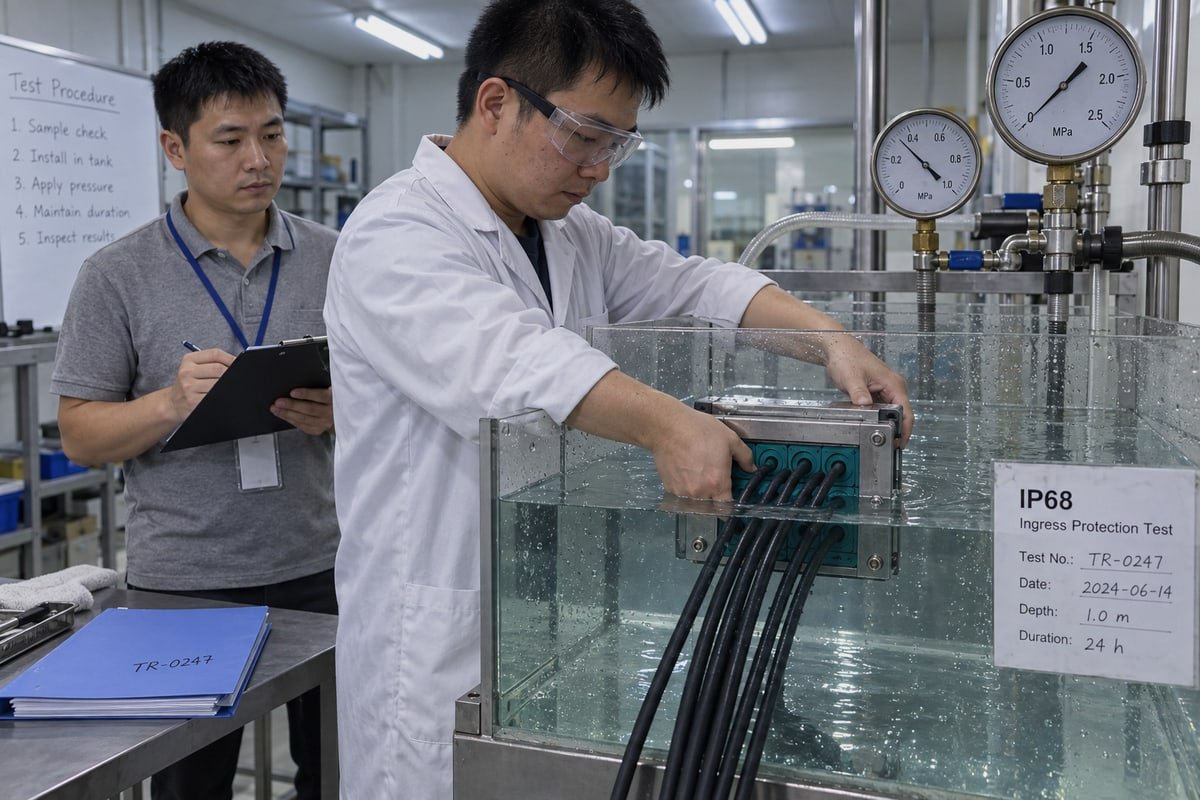
Validation is cheap. Rework is not. The steps below are the ones our purchasing engineer customers in Europe and the Middle East use most often, and they map directly to the cost triggers from the first section.
A pre-production checklist for MCT orders
- Confirm the cross-reference. Match each existing model to the DEWIN equivalent. Check frame opening, module height, and cable diameter range on paper first.
- Fit the sample. Install free validation samples in your actual frame with your actual cables. Check compression with the real compression unit and stay plates.
- Lock the documents. Assign a revision number 5 to the drawing, the BOM, the material spec, and the packing spec. State the revision on the PO.
- Review the evidence. Ask for the A-0/A-60 fire test, the IP68 report, and the 0.01–0.4 MPa watertight and gas-tight sealing data. Compare them to your project's firestop certification standards before you order.
- Load the CAD. Drop the STEP files into your assembly model. Interference shows up here, not on site.
- Agree change duties. Both sides commit to written notification of any revision, including supplier-side material changes.
PO language that stops cost leakage
The purchase order should say what is frozen and what a change costs. Here is a simple structure.
| Clause | What it should state |
|---|---|
| Frozen scope | Drawing rev, BOM rev, approved sample ID, packing spec |
| Change notification | No revision by either party without written approval |
| Cost allocation | Who pays for WIP scrap, tooling, retest, and expedite by change stage |
| Version control | Factory works only from the latest signed drawing |
| Documentation | Test reports and export documents updated with each approved change |
Approve, renegotiate, or reject
When a change request does arrive, I use three questions. Does it lower total landed cost over future batches? Does it happen before tooling release? Does it protect certification? If all three are yes, approve it. If the cost is real but the benefit is long-term, renegotiate the split. If it creates scrap, retesting, or air freight for no lasting gain, reject it and keep the original spec. A sizable contingency buffer on a first order is wise, but the goal is to never need it.
Conclusion
Change orders quietly turn a low quote into a high landed cost. Freeze specs, validate samples early, and choose a drop-in compatible partner so the savings actually reach your project.
Footnotes
1. The World Bank provides institutional research on global logistics efficiency and inventory management costs. ↩︎
2. ISO standards define the quality management frameworks for formal change control in manufacturing environments. ↩︎
3. Wikipedia provides a technical overview of modular data center infrastructure where MCT sealing systems are commonly applied. ↩︎
4. The International Maritime Organization (IMO) regulates the safety and standards for global maritime transport and shipping. ↩︎
5. Explains the fundamental principles of versioning and revision numbering used to control technical documentation and drawings. ↩︎



 English
  Español de México
  Deutsch
  Français
  العربية
  Русский